Protecting the Oceans: 10 Easy Ways You Can Contribute
Posted by Enrico Gennari on January 8, 2025
Get 10 easy ways to save the ocean, reduce ocean pollution, and protect marine life through practical everyday conservation actions. Small sustainable changes can make a lasting impact on marine ecosystems and ocean health.
Oceans cover more than 70% of the Earth’s surface and are essential for supporting marine biodiversity, regulating the climate, and sustaining life worldwide. However, increasing plastic pollution, overfishing, habitat destruction, and climate change are placing growing pressure on ocean ecosystems and marine life. Protecting the ocean starts with simple everyday actions, and even small lifestyle changes can make a meaningful difference. From reducing waste to supporting marine conservation efforts, there are many practical solutions to ocean pollution that can help create healthier oceans for future generations. Here are 10 easy ways to save the ocean, reduce ocean pollution, and help protect marine life.
Why Ocean Conservation Matters
Ocean conservation matters because healthy oceans are essential to life on Earth. Driven by microscopic phytoplankton and marine algae, Marine phytoplankton and algae produce more than half of the world's oxygen, helps regulate global temperatures, and supports an extraordinary diversity of marine species. It also provides food, livelihoods, and economic opportunities for millions of people worldwide. Healthy oceans also support sustainable fisheries, protect coastlines from erosion and storms, and help maintain marine biodiversity. Conserving ocean ecosystems ensures these environmental and economic benefits remain available for future generations.
However, growing pressures from ocean pollution, overfishing, and climate change are putting these vital systems at risk. When marine ecosystems are disrupted, warming waters and agricultural runoff can trigger toxic algal blooms. As these blooms decay, they rapidly deplete oxygen levels, creating expanding "dead zones" where marine life simply cannot survive.
Protecting these environments helps preserve biodiversity, supports resilient coastal communities, and ensures future generations can continue to benefit from a living, breathing ocean.
10 Practical Ways to Protect the Ocean and Reduce Pollution
No single person can save the ocean alone, but small everyday actions can make a meaningful difference. From reducing plastic waste to supporting sustainable practices, everyone can contribute to protecting marine ecosystems and preventing further damage from ocean pollution. These practical habits also support stronger ocean conservation efforts and help create a cleaner environment for marine life.
1. Reducing Plastic Usage
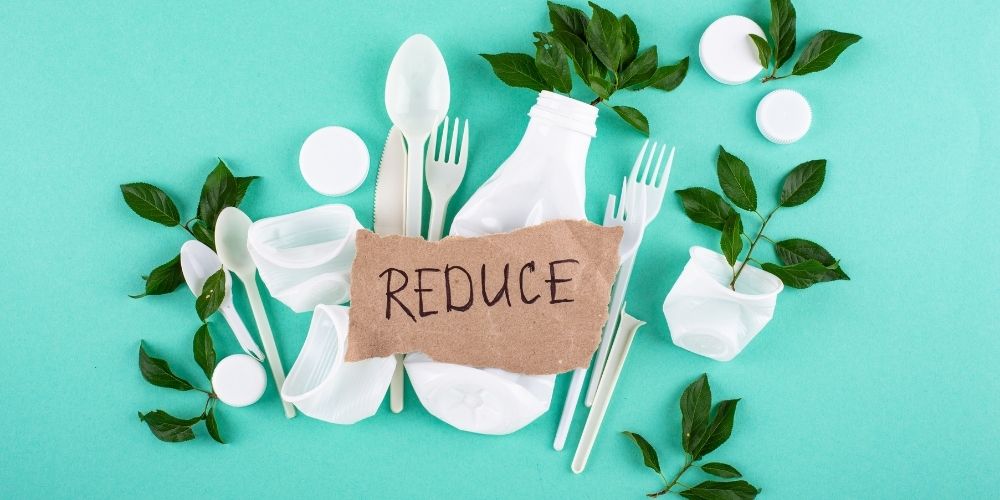
Plastic pollution is one of the biggest threats to marine animals. Every year, approximately 8 million tons of plastic enter the oceans which is equivalent to dumping a garbage truck full of plastic into the ocean every minute, harming all creatures, from sea turtles to fish and birds. Switching to reusable bags, bottles, and straws is a simple yet impactful change that can help reduce the amount of plastic contributing to this crisis. Take a cue from communities worldwide that have banned single-use plastics: their beaches are cleaner, and their marine ecosystems are healthier.
2. Participate in Beach Cleanups
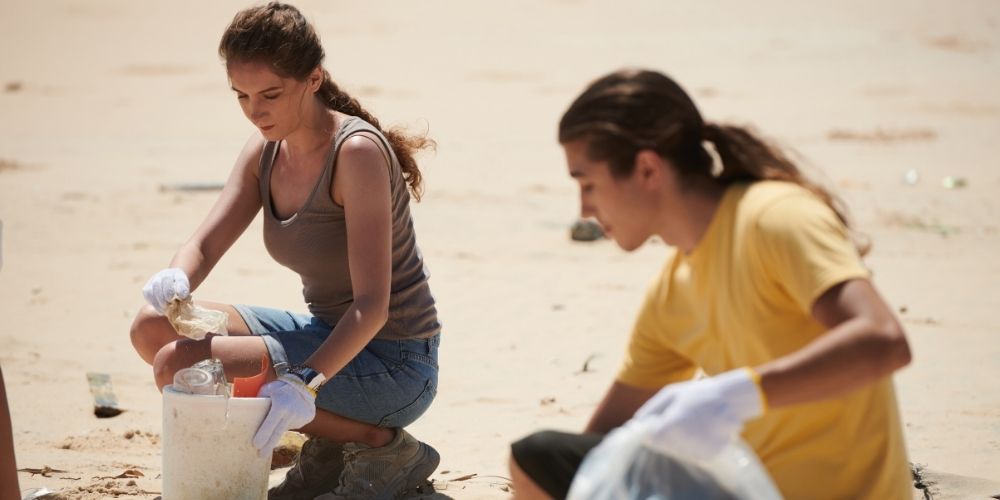
Beach cleanups are an active way to help your ocean. Events are part of removing trash from the environment and raising awareness about marine pollution. Join local events or run an event yourself. A real-life example is the International Coastal Cleanup Day, held annually on the third Saturday of September. It engages millions of volunteers worldwide, removing thousands of tons of debris and saving countless animals that would have been caught, hurt, or even poisoned by the trash in any given year.
3. Support Sustainable Seafood
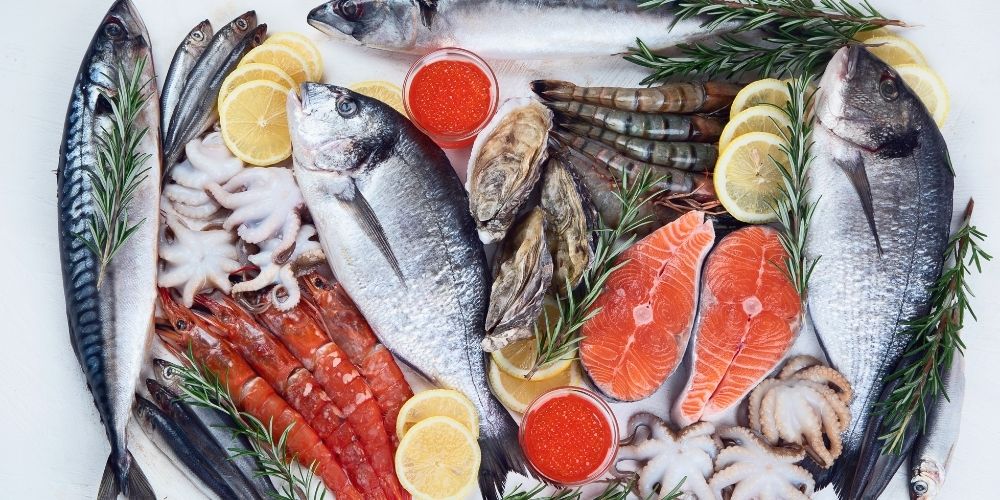
Overfishing can be considered one of the significant causes of ocean pollution and habitat destruction in marine regions. Opt for sustainable seafood by looking for stickers such as Marine Stewardship Council (MSC) certification. Apps like Seafood Watch help get more eco-friendly changes when dining out or finding places to shop. It is one way of supporting low-impact fishing practices around a balanced marine ecosystem.
4. Conserve Water
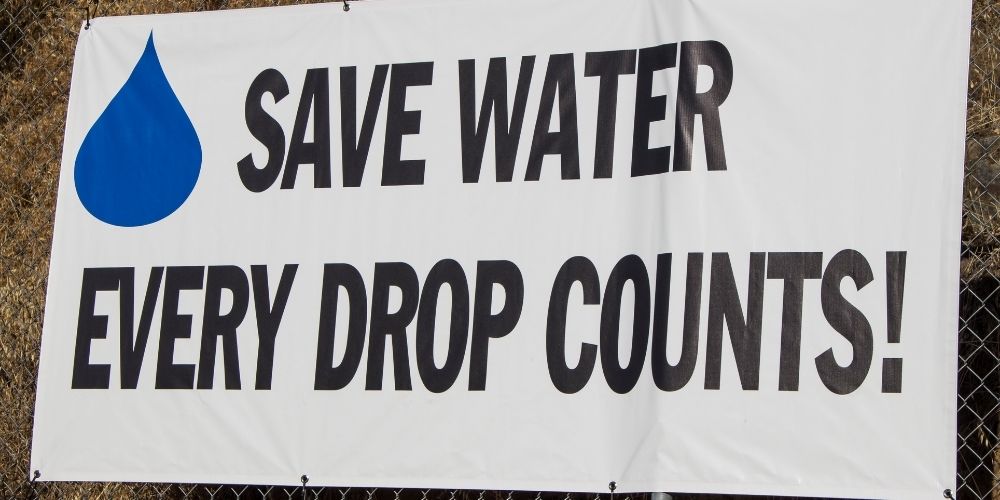
Excessive water usage can contribute to wastewater discharge, which often carries pollutants like chemicals, nutrients, and debris that harm marine ecosystems when untreated or inadequately treated. According to the United Nations Environment Programme (UNEP), over 80% of the world's wastewater flows back into the environment untreated, affecting rivers, coastal areas, and oceans. Simple steps like fixing leaks, using water-efficient appliances, and turning off the tap while brushing your teeth can reduce water wastage and lessen the burden on wastewater treatment systems, thereby protecting marine life.
5. Choose Ocean-Friendly Products

Many of the everyday products used are a danger to the marine environment. Avoid those containing microbeads, mostly in exfoliating scrubs, since they go to the ocean and get ingested by marine species. Go for eco-friendly sunscreens; avoid ones containing chemicals such as oxybenzone, which bleaches coral reefs.
6. Reduce Carbon Footprint
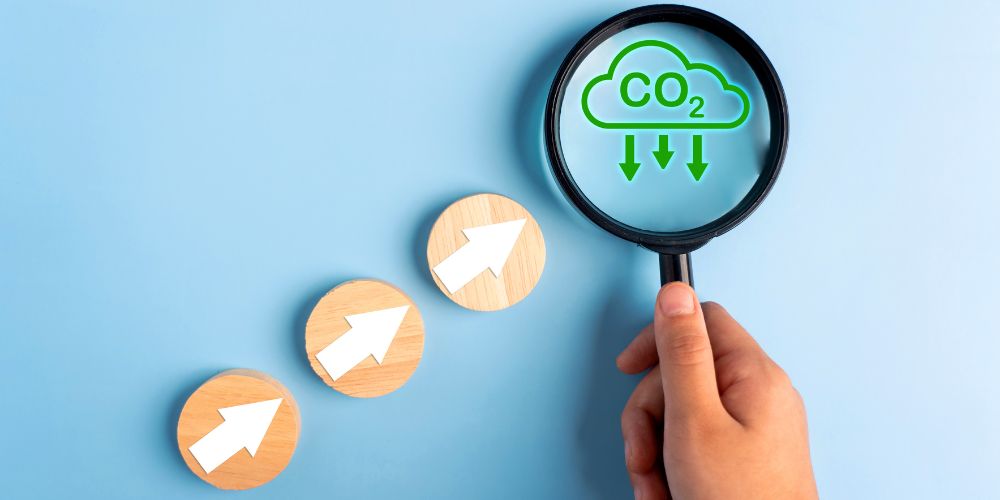
Climate change enhances ocean threats, including coral bleaching and sea-level rise. To safeguard the ocean, lessen your carbon footprint. Use energy-efficient appliances, use renewable energy sources, and reduce car travel. Equally important, however, is advocating systemic changes, such as shifting to green energy, to save our oceans.
7. Spread Awareness

Educating other people about ocean conservation encourages them to take action. Share articles, join discussions, or use social media to show how important ocean protection is. Real-life success stories, such as the recovery of sea otter populations in California through conservation efforts, can inspire and motivate others to take action
8. Support Ocean Conservation Organizations

Non-governmental organizations dedicated to ocean conservation rely on your support. For instance, the Oceans Research Institute leads groundbreaking research and education programs. Donating, volunteering, or even sharing their work amplifies their efforts. Learn more about their initiatives and participate in programs such as the Oceans Field Research Program, which offers hands-on opportunities for marine conservationists.
9. Proper Waste Disposal
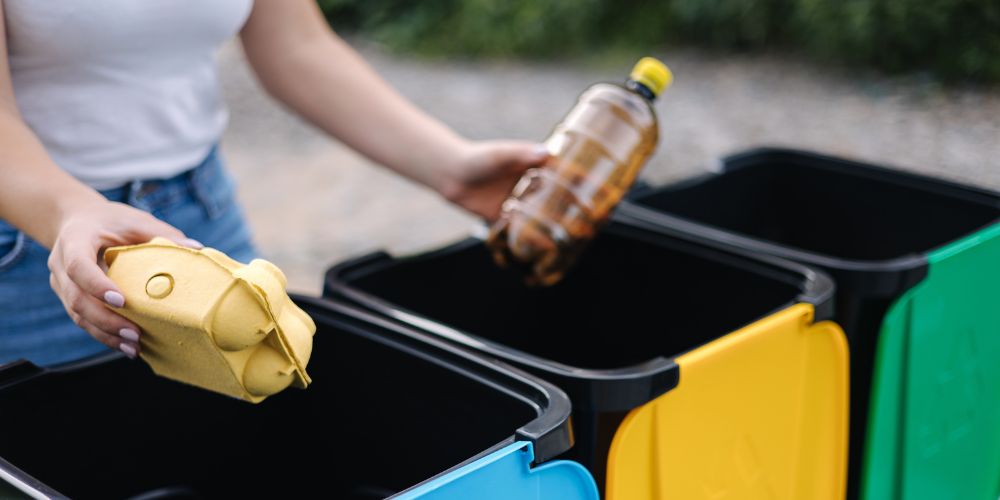
Proper waste management is crucial in preventing plastic and other harmful materials like batteries and chemicals from entering the ocean. Recycling, composting, or safely disposing of these items can significantly reduce ocean pollution. Proper waste disposal significantly reduces the amount of trash that ends up polluting our oceans.
10. Advocate for Policy Changes
Support policies that protect the ocean. Whether it be establishing marine protected areas, stronger regulations against overfishing, or banning single-use plastics, your voice counts. Signing petitions, contacting legislators, and voting for ocean-friendly policies are all powerful ways to contribute to saving our oceans.
Frequently Asked Questions
How can I help protect the ocean every day?
You can help protect the ocean through simple daily actions such as reducing single-use plastics, conserving water, choosing sustainable seafood, properly disposing of waste, and supporting marine conservation initiatives. Small changes in everyday habits can collectively make a significant difference in reducing ocean pollution and protecting marine ecosystems.
Why is ocean conservation important?
Ocean conservation is important because healthy oceans regulate the Earth's climate, produce much of the world's oxygen, support marine biodiversity, and provide food and livelihoods for millions of people worldwide. Protecting ocean ecosystems helps ensure these benefits remain available for future generations.
What is the biggest threat to marine life?
Marine life faces multiple threats, including plastic pollution, overfishing, habitat destruction, climate change, and chemical contamination. Plastic pollution is particularly harmful because marine animals can become entangled in debris or mistake plastic for food, leading to injury or death.
How does plastic pollution affect the ocean?
Plastic pollution harms marine ecosystems by contaminating habitats, injuring wildlife, and breaking down into microplastics that enter the food chain. Millions of tons of plastic enter the ocean every year, affecting species ranging from plankton and fish to sea turtles, seabirds, and marine mammals.
Join the Oceans Field Research Program
Take this commitment further by enrolling in the Oceans Field Research Program. This opportunity, provided by the Oceans Research Institute, offers unparalleled experience in marine research and conservation. Led by leading scientists, participants are fully involved in marine life protection and ocean pollution control activities. This program gives you the knowledge and skills to make a difference.
Conclusion
In other words, protecting the ocean should not solely be the responsibility of governments or great organizations; each day, little by little can make a big difference. You can contribute significantly to marine conservation by reducing plastic, saving water, ensuring sustainable seafood, and participating in the Oceans Field Research Program activities. Plastic pollution in the ocean is among the challenges we face together; working toward a healthier future for the planet means we all take responsibility for our actions.
The Oceans Research Institute is saving oceans daily through innovative research and community-based projects. Join us in protecting the ocean to achieve a sustainable tomorrow.